Replacing your porch railing can make your home look better, feel safer, and increase its value. It’s great for both people who love DIY projects and those trying it for the first time. You can choose from materials like composite, wood, or metal. This lets you pick something that fits your home’s style and fixes any safety issues with old or broken railings.
Key Takeaways
- Wood railings require frequent maintenance but offer classic appeal.
- Composite railings provide durability and low maintenance, ideal for busy homeowners.
- Metal railings offer rust and corrosion resistance, especially in coastal areas.
- PVC railings offer a variety of styles and are low-maintenance, attracting a significant number of homeowners.
- Safety concerns are a primary reason for replacing old railings, influencing around 40% of decisions.
- Material choice significantly affects long-term costs and labor, influencing many homeowners’ decisions.
Why You Should Consider Replacing Your Porch Railing
Changing your porch railing is an important update with lots of benefits. New railings make homes safer, helping to stop falls and injuries. Since the International Residential Code requires guardrails to be at least 36 inches high, following this rule is key for keeping your family safe.
Old railings often have cracks, splinters, or peeling paint. These signs mean it’s time for a new one. Worn railings not only pose a safety risk but also make your house look bad. Choosing strong, modern materials can boost your home’s value by making it look better from the outside.
Adding new railings can also make your home look more inviting. A new, stylish railing can catch the eye of neighbors and people looking to buy a house. You can pick from wood, metal, or synthetic materials to match your home’s style.
Some materials, like cedar, are stable and don’t warp easily but need regular care to avoid rot. Synthetic materials may cost more at first but don’t fade, splinter, or crack, saving you from resealing them.
So, updating your porch railing is a smart choice for both safety and style. It’s an investment that makes your home safer and more attractive.
Choosing the Right Material for Your Railing
When picking materials for your porch railing, think about looks and function. The choice affects your outdoor area’s style and upkeep.
Wood railings bring a timeless beauty and can be more affordable at first. But, they need regular care like staining or sealing to avoid damage. High-quality wood, like Ipe, costs more because of its superior qualities.
Composite railings are easy to keep up. They cost more than wood initially but have a 25-Year Limited Fade and Stain warranty. These materials match well with different porch design styles, from Victorian to modern.
Metal railings, like powder-coated aluminum and wrought iron, are durable and stylish. Aluminum is light and affordable. Wrought iron offers a strong, classy look but needs more support. Aluminum is notable for its resistance to weather and lasting quality at a good price.
Glass railings and cable systems offer a modern, clean look with clear views. However, glass needs regular cleaning, which can be tough with pets and kids around. Cable railings are popular for their simple design but keeping them spotless can be hard.
Vinyl and PVC railings are low-cost choices. They’re light and flexible but may fade or crack with weather changes or impacts. Their quality can vary widely between brands, even though they’re easy on your wallet.
Finding the best railing material means looking at costs, maintenance, and style. Whether you want something easy to care for, budget-friendly, or stylish, there’s a wide variety of outdoor railing options to fit every home. Consider each material’s pros and cons to choose the best one for your space.

【Safety & High Impact Resistance 】– Prioritize the safety of your family and guests. This deck railing kit is designed to comply with strict IBC/IRC/ASTM building codes. The reinforced aluminum posts provide exceptional load-bearing capacity (withstands up to 500 lbs impact), preventing dangerous accidents.
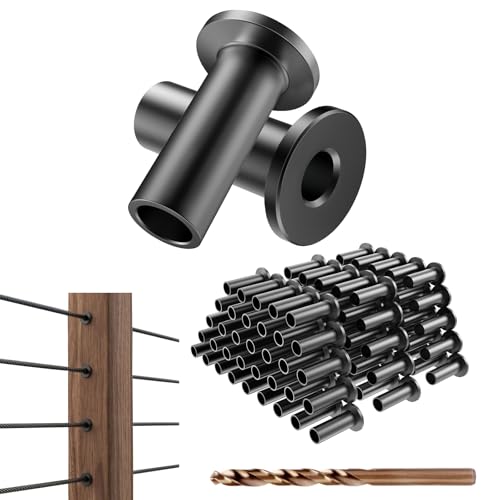
【Applications】This Black Stainless Steel Protector Sleeves for 1/8" Cable Railing. And used on wood/composite posts to prevent the cable from wearing into the wood. Perfect for planning your own cable railing project, good for indoor or outdoor applications. By incorporating black stainless steel cable railing into interior staircases or balconies, you can create a sleek, moden look throughout your home.

Easy Installation: Install in 3 simple steps with included accessories—no welding or cutting required! Pre-drilled holes and a positioning template ensure perfect alignment on wood, concrete, tile, or marble surfaces in under 30 minutes.
Tools and Materials You’ll Need
Starting a DIY railing installation project is exciting but needs careful planning. You’ll need the correct tools and materials for a good job. No matter your railing material, some tools are essential for all projects.
- *Tape Measure*: For precise measurements.
- *Saw*: Required for cutting the railing pieces to the correct length.
- *Drill*: For executing clean and accurate holes.
- *Level*: To ensure your railing is perfectly aligned.
You might also need special tools for working with metal or composite materials. Getting high-quality hardware like screws and brackets is vital for a strong install. Sometimes, you’ll need concrete or anchors too.
Don’t overlook the building supplies for railings like the railings themselves. Whether you choose wood, metal, or composite, using top-notch materials like stainless steel screws improves durability. This is crucial in places with severe weather.
Here’s a quick overview of materials and what they’re best for:
| Material | Typical Use |
|---|---|
| Wood | Traditional esthetics; suitable for diverse finishing. |
| Metal | Modern appearance; ideal for straightforward maintenance. |
| Composite | Durable and resistant to rot; low maintenance. |
Choosing the right building supplies for railings and tools is crucial. It ensures your railing is both safe and looks great. Your project might need minor changes to these suggestions, depending on personal taste and local rules.

🔧Applications - DN Mate Swage Lag Screw System is made of T316 stainless steel, helping you create or upgrade a sleek, modern and minimalist look while preserving your view. This cable deck railing hardware is suitable for straight, angled and corner sections, it is ideal for wire railing kit for decks, porches, stair railings, balcony railings and fences, creating stylish indoor and outdoor wood post cable railing systems that enhance your living space.
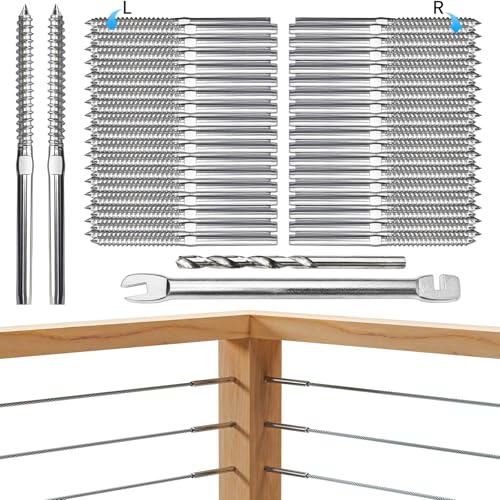
Versatile Cable Tensioning: This deck railing hardware kit is specifically designed for 1/8 inch diameter cable railing systems, these Swage Lag Screws are the ultimate solution for effortlessly adjusting cable tension. The left and right thread ensure that cables rotate in the same direction, preventing any twisting or damage, providing a smooth and secure cable railing installation.

Adjustable Angle Design: Fit for 1/8 inch stainless steel cable, this adjustable angle cable railing kit has 180 degree angle freedom adjustable base, max expanding size of the turnbuckle is 10 inch and it can be retract to 7 inch, suitable for outdoor or indoor use
Step-by-Step Guide to Removing Old Railing
Getting rid of old porch railing requires careful steps for a smooth change to new installation. Whether doing it yourself or getting help, following these steps avoids damage and keeps things safe. First, check the structure for any damage like rot or mold, which can affect up to 30% of outdoor wooden structures.
Begin by taking out any loose nails and screws. With a post-hole digger and pry bar, carefully pull out the old posts. If you have wooden railings, make sure the balusters are spaced right, according to local codes. And, be gentle to avoid damage. Always wear safety gear like glasses and gloves to protect yourself.
Now, take apart the railing sections. Use tools like a post-hole digger and pry bar for this. Also, check the deck or porch below to make sure it’s not damaged. If you find damage like rot or mold, fix those parts before putting in new railing.
After the railings are off, you need to get rid of the old stuff the right way. If some parts are still okay, reuse them or take them to a recycling center. With these steps done, you’re ready for the next part: getting set for new railing installation.
Before moving to installation, make sure to pull out all old nails and screws. Also, drill small pilot holes to keep new wood from splitting. Doing this makes sure putting in your new porch railing goes smoothly and safely.

Comprehensive Package: our chisel digging bar is available as a complete single-piece package, ensuring you have everything you need right out of the box; It's designed to simplify your toolkit with its multi-functional capabilities
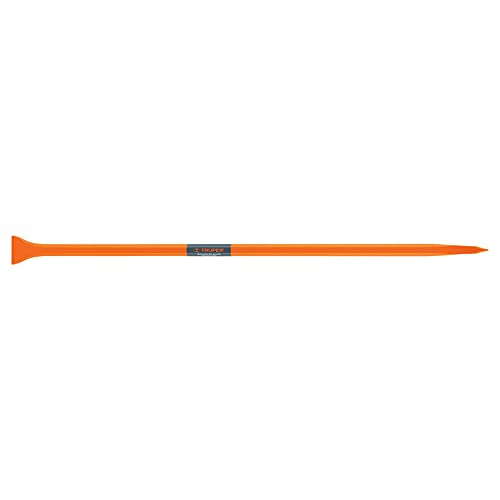
FORGED HIGH-CARBON STEEL: Heat-treated for maximum hardness and durability, ensuring the tip stays sharp and the body resists bending under extreme leverage

Functionality of the Steel Tamping Digging Bar: specially designed to cope with the strength of heavy digging, this tamping and digging bar is applied for both digging and tamping; Featuring a thick steel build, it has high resistance to bending and can break through hard soil; Additionally, the broad tamping end provides protection upon hammering
Installing New Porch Railing: A Detailed Process
Installing a porch railing requires careful planning. Start by measuring and marking your layout accurately. This ensures every post is in the right place for a sturdy build.
First, secure your posts into the deck or ground firmly. Use a 9/64” drill bit for pre-drilling to avoid misalignment. This also makes sure the handrail is attached well. Metal railings need posts 6 to 8 feet apart, following building codes.
Next, attach the rails and balusters. Keep balusters less than 4 inches apart to meet U.S. codes. Pre-drill holes before screwing them in to prevent shifting. The number of screws needed varies, but always use at least one on each side.
Cut the handrails with a diamond-tipped saw blade to the length you need. Remember, it should not be over 20 feet. Always wear protection for your eyes and ears during this. For wrought iron railings, plan to repaint them every one or two years, especially after winter.
Fix the handrails with at least two clamps during installation. Work on one rail at a time for better precision. For DIY projects, a miter saw, table saw, and pneumatic stapler are helpful tools for a smooth job.
Attach each handrail to a corner post with two rails per post. Make sure the rail’s height is between 34 inches and 38 inches, based on U.S. codes.
After installation, check that everything is level and tight. Inspect regularly for loose parts to keep it safe. For wooden railings, reapply stain or paint every couple of years. Aluminum railings are low maintenance and can last over 20 years for stress-free use.

DEWALT 21-pack black oxide twist drill bit set is ideal for general-purpose drilling materials like metal, hardwood, softwood, PVC and fiberglass

High-speed steel tools are good for most general purpose applications, offering a combination of hardness and toughness for wear resistance

[9/64 Inch 20PCS] A pack containing 20 pieces 9/64"(Dia 3.572mm) cobalt metal drill bits comes in plastic storage case for easy storage.
Painting and Staining Your New Railing
Painting porch railings or staining wood ones is key to their longevity and looks. Proper finishing shields them from the weather while making them look great.
Clean thoroughly before starting. Use a pressure washer, or a brush and cleaner if that’s not an option. Let the cleaner sit as the instructions say, then rinse it off.
Pick paint or stain made for outdoor use. Mix paint from different cans in a large bucket to keep the color even. When using stain, a precise spray tip gives you better control.
Applying primer before painting makes the color look richer and stick better. Using an airless sprayer helps avoid brush marks and saves time.
Always prioritize safety. Wear gloves, safety glasses, and a dust mask. Use lower pressure for stains to spray evenly. Let the stain absorb for about 20 minutes. Keep applying it evenly to avoid marks.
To keep your railing looking good longer, follow these tips:
- Ensure it won’t rain for 48 hours after cleaning, before staining.
- Let dry for 48 hours before removing any protective covers.
- Wait 2 days before touching the railing post-stain.
- Check for damage and sand as needed for smoothness.
- Dispose of oil-soaked rags in a sealed, water-filled metal bucket.
Painting or staining your railings not only makes your home look welcoming but also helps the railings last against the weather.

ELEVATE OUTDOOR STRUCTURES: Refresh barns, fences, sheds, and exterior surfaces with durable paint that delivers long-lasting color and protection.

Weather and corrosion resistant coating protects exterior/interior surfaces like wood, metal, concrete, masonry and more
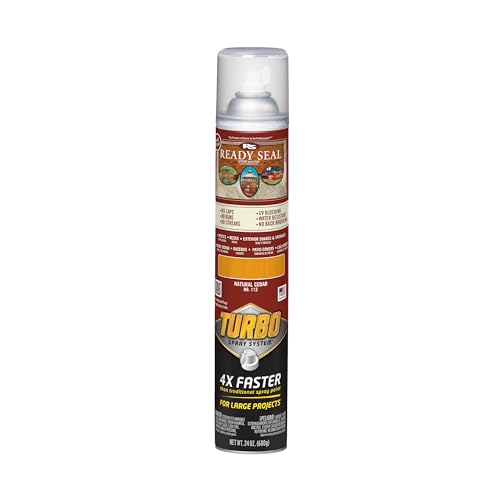
NO LAPS, RUNS OR STREAKS: Goof Proof, oil-based formula now equipped with the powerful Turbo Spray System; ideal for exterior wood projects
Maintenance Tips for Your New Porch Railing
Keeping your porch railing in top shape is key to making it last longer and look great. Follow these tips to take good care of your outdoor railings:
Regular checks are very important. Inspect your railing often to catch any problems early. Look for loose parts, rust, or rot, based on what it’s made of. Fixing issues fast helps your railing last longer and stay safe.
Clean your railing now and then to keep it looking nice and strong. Use mild soap and water for wood railings, and avoid strong cleaners on metal or composite ones. A soft brush can get rid of dirt without hurting the railing.
If you have a wooden railing, put on a new coat of stain or paint every year. This protects it from bad weather and the sun. It also makes it look better and keeps moisture and UV light from damaging it.
Metal railings need care to avoid rusting. Use rust-resistant primer and paint to make them last longer. Also, make sure to tighten any loose screws to keep the railing secure.
Composite railings don’t need much upkeep, but they still need some attention. Clean them with the right products and check for damage. This will help your porch railing stay beautiful and useful for a long time.
To sum up, good railing care means checking, cleaning, and fixing it on time. A little bit of work can make your porch railings last longer and keep your outdoor space safe and lovely.
Final Thoughts on Your Porch Railing Project
Adding a new porch railing improves both safety and looks. Think about the hard work and planning you put in. This made sure your railings met all rules, making your space look great.
During the work, you found out your porch was low enough to not need a railing. You got to try different designs without blocking your windows. This choice made your porch better without losing the view.
Your project made your home’s outside look way better, going from a low rating to great curb appeal. The railings, which are less than 8 feet and 55 inches, show your smart spending of around $350 and a day’s work. For more ideas, look into building porch railings.
Now, as you enjoy your improved porch, think about what’s next. Any extra touches or fixes can make it even better. Your hard work now will help you with any porch updates in the future.