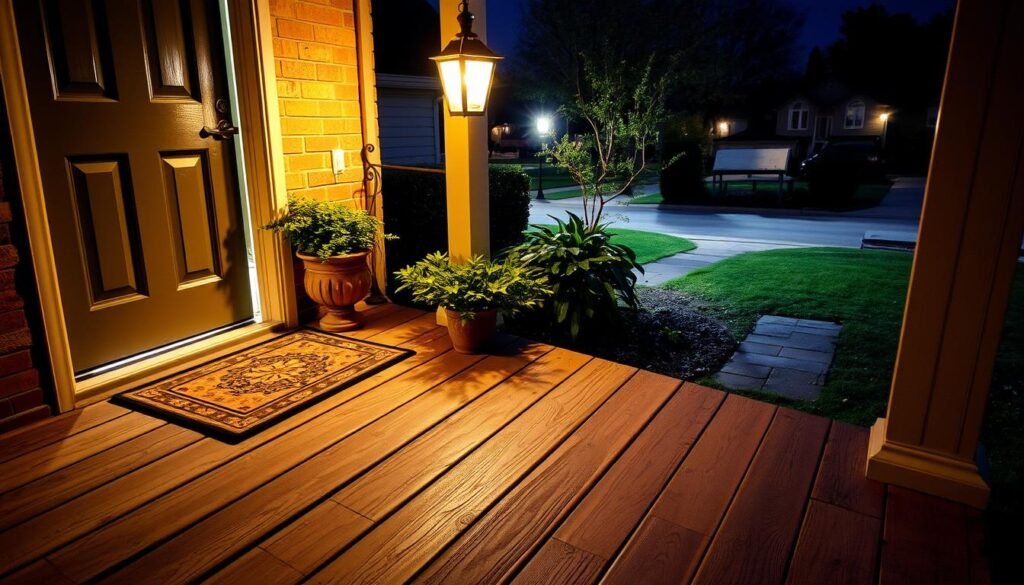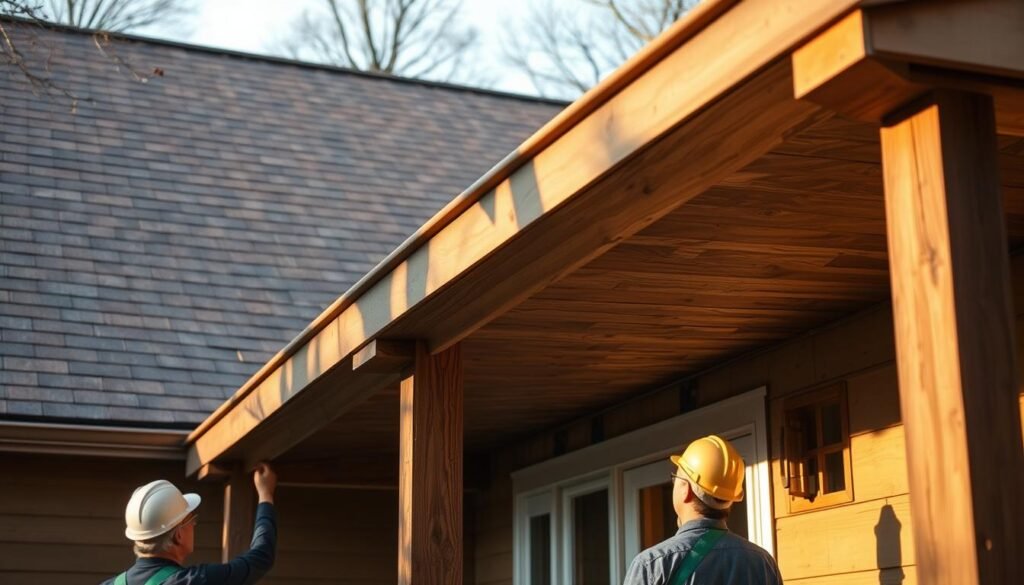
Porches and decks both make your outdoor living space better. Porches are mainly covered areas at the front of your house. They welcome visitors. In contrast, decks are open spaces, often built elevated at the back or side of your house. They give privacy and a nice view of the backyard. Choosing between a porch and a deck changes how your home looks and feels. Each has its own benefits, fitting different wants and styles.
Key Takeaways
- Decks are typically raised structures, often requiring a railing system if more than 3 feet above ground.
- Porches provide protection from weather elements and insects, enhancing privacy.
- Decks generally have a higher resale value compared to patios.
- Porches are more complex to build due to integrated design elements.
- Decks require more frequent maintenance compared to porches.
- Porches can enhance year-round outdoor enjoyment in various weather conditions.
- Decks offer a spacious area for outdoor dining, barbecuing, and social gatherings.
Understanding the Basics: Deck vs. Porch
Understanding the differences between decks and porches is important. Porches are part of the home’s structure. They usually have a roof that is shared with the home, offering a covered outdoor spot. Porches are found at the front or back entrance. They welcome guests and protect against the weather and bugs, especially if they have screens.
Decks, however, are typically open and raised up. They can be made of wood or composite materials. Decks can be placed in various locations including the front, back, or side of a house. They can be built on any kind of ground, even if it’s not flat. This is different from patios that need level ground. Decks sometimes need a permit to be built if they are over 3 feet tall. They also usually have railings to meet safety codes.
Here’s a quick comparison to help you understand their differences and benefits:
| Feature | Porch | Deck |
|---|---|---|
| Integration | Part of house structure | Standalone or attached |
| Covering | Covered (with roof) | Typically uncovered |
| Location | Front or back entrance | Versatile locations |
| Material | Wood, concrete, composites | Wood, composites, PVC |
| Cost | $5 to $15 per sq. ft. | $25 to $43 per sq. ft. |
Porches often add privacy because they’re part of the home. Decks can increase a home’s resale value, which is a big benefit. For more details on these outdoor spaces, you can find additional insights here.
Structural Differences You Should Know
Knowing the structural differences between a porch and a deck is important for decision-making. A porch is a covered area at your house’s front. It matches your home’s architecture and offers protection from the weather. Sometimes, it also has screens or windows against bugs.
| Feature | Deck | Porch |
|---|---|---|
| Typical Location | Backyard, providing privacy and scenic views | Front or back of the house, connected to the entrance |
| Building Requirements | Raised more than 3 feet off the ground requires railings | Part of the house’s structure, requiring a roof and possible enclosure |
| Suitable Terrain | Can be built on uneven ground | Usually requires level ground, integrated with the home’s entrance |
| Materials | Wood, composite, or PVC | Material consistent with the main house, often wood or brick |
| Maintenance | High (for wood decks) or low (for composite/PVC decks) | Lower maintenance due to covered structure |
| Cost Implications | Initial high cost but higher resale value | Higher upfront cost due to roofing and possible enclosure |
Decks can be designed in many ways, suitable for different landscapes. They work well on uneven ground because of adjustable heights. If a deck is over three feet high, it needs railings. The design and materials used affect the cost.
Porches are built to blend with your home’s style, right at the entrance. They’re usually at ground level and add beauty and function to your home. Porches, being covered, protect you from the weather and can be used all year. They’re great when they have screens or are glass-enclosed.
Understanding the design details of porches and decks is key when improving your outdoor area. It affects how you use and enjoy your space.

Superior Waterproofing Performance:Made of premium rubber material, this roofing membrane forms a seamless waterproof barrier to seal roof cracks and stop leakage thoroughly. Upgraded self-adhesive backing delivers strong, increasingly stable bonding with surfaces, perfectly solving roof seepage problems and providing long-lasting waterproof protection for your buildings.
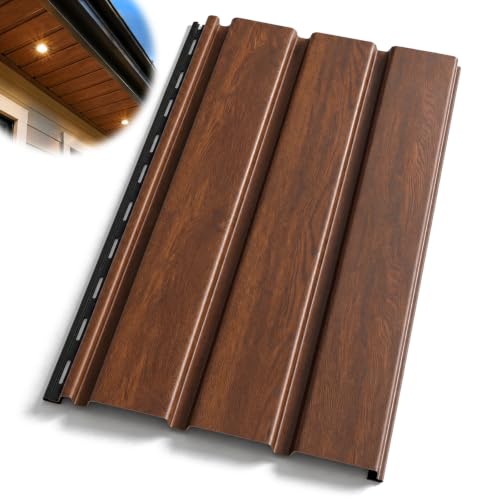
Realistic Golden Oak Wood Grain: featuring a high-definition wood grain texture, these vinyl soffit panels bring the warm appearance of natural timber to exterior spaces without the cracking, rotting, or frequent repainting required by traditional wood materials; The realistic finish creates an elegant look for eaves, porch ceilings, and exterior applications

🌦️ All-Weather Protection: Designed to withstand heavy rain, snow, and intense sun while maintaining structural integrity year-round.
Functionality: What Each Space Offers
When thinking about an outdoor living space, how porches and decks work is key. Porches are usually at the front, providing a covered spot to relax, welcome guests, and stay sheltered. These areas, often made of wood, might have roll screens or windows for year-round use.
The many uses of a porch include quiet places to sit, areas for greeting, or enclosed spaces that block bugs and bad weather.
Decks, on the other hand, offer a different experience as raised outdoor areas, usually at the back or side of a house. Made from wood or composite materials, they’re great for meals, parties, and enjoying the view. They give plenty of room for cooking outside, sunbathing, and big gatherings.
Since they are open, decks let you connect with nature, though you need to maintain them well.
Choosing between a porch and a deck depends on your lifestyle. If you like a cozy, easy-to-reach, covered area, go for a porch. But if you’re into the outdoors and having space for fun, a deck is right for you.
Both add value to your outdoor living space, making your home more enjoyable.
Knowing the differences helps decide if a porch or deck is better for your dream outdoor living space.

2-Piece Set with Candles: Create a stylish layered display with this set of 2 decorative candle lanterns featuring different heights. The large lantern measures 5.51" × 5.51" × 16.93", perfect for patio floors, front porch steps, and fireplace corners, while the smaller 4.72" × 4.72" × 12.99" lantern fits beautifully on entryway tables, kitchen counters, shelves, or coffee tables. Including 2 flameless candles: 3" × 4" and 3" × 4.7", this versatile set makes decorating effortless indoors and outdoors

Interlocking Deck Tiles – Easy Installation: These interlocking deck tiles snap together quickly without tools. The user-friendly design makes it easy to install and remove, perfect for DIY outdoor flooring projects.

Vibrant Blue LED Glow: Transform your home with this set of 4 light-up hanging ghosts (27.5" tall). Designed with 4 distinct expressional faces and energy-efficient blue lights, these Halloween tree and porch decorations build an effortless indoor/outdoor atmosphere without taking up valuable floor area
Design and Aesthetic Considerations
Looking at design and aesthetic considerations for outdoor areas, porches and decks both have great features. Porches are usually in front of the home, boosting its look with details that go with your house’s style. They can be closed or partly closed to keep bugs out, which makes them great any time.
Decks are often at the back of the house and extend your living area. They allow for creativity with different levels, seating, and places for plants. With materials like wood, composites, and vinyl, decks meet various tastes and upkeep needs. The aesthetic appeal of decks grows with the right plants and outdoor furniture.
By using porch design tips, you can raise your home’s charm. Add decorative pillars, handrails, and the right lights. Porches greet guests warmly and offer useful space all year, especially when screened. Since they are covered, porches don’t face the weather as much as decks, which might mean less upkeep.
Decks might need more care because they are open. Even so, a well-kept deck can bring back 60% to 80% of your investment. Adding lights to your deck also means you can enjoy it in the evening, blending indoor and outdoor living.
Whether you’re boosting your home’s front look with porches or making versatile decks, both add to your house’s charm. Your choice between a deck or porch depends on things like where you live, your lifestyle, and budget. But both choices can make your outdoor area beautiful and useful.
Location and Accessibility
Choosing the location for a porch or deck is crucial. It affects how you’ll enter and use the space. Porches are usually in front of a house, making it easy for guests to enter. Decks are often in the back or side, offering more privacy and a nice flow between inside and outside.
When deciding on these structures, it’s important to know the rules. According to the NYC Building Code §3300, decks and porches must meet strict safety standards. Railings should be at least 42 inches tall. The gap between them can’t be more than 5 inches, keeping everyone safe.
Choosing between a porch and a deck involves many factors. Think about how you want to use it, your privacy needs, and your home’s design. For instance, high decks need special bracing to hold up 40 lbs. per square foot. Porches need bigger footings for the roof. These details affect how accessible your outdoor space will be.
Let’s look at some key differences:
| Feature | Porches | Decks |
|---|---|---|
| Position | Front of the house | Back or side of the house |
| Privacy | Less privacy | More privacy |
| Accessibility | Easy, direct access | Seamless indoor-outdoor transition |
| Usage | Meeting and relaxing | Recreation and dining |
| Safety Regulations | Height of railings, spacing between railings | Bracing at column and beam connections |
So, making the right choice depends on how you live and your home’s layout. This ensures your outdoor space is both functional and easy to use.
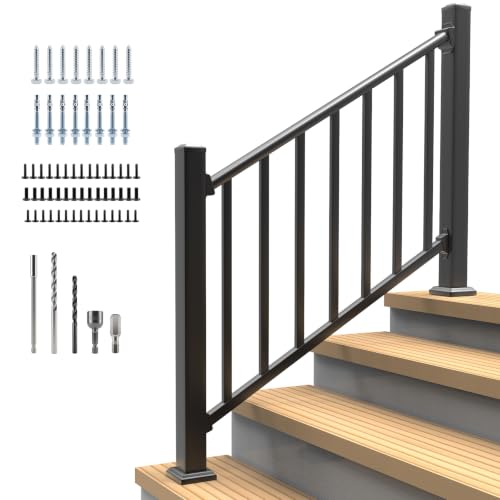
Reliable Outdoor Support: This stair railing outdoor is designed to provide reliable protection for outdoor stairs, patios, balconies, porches, and elevated areas. Its robust construction and durable materials ensure lasting performance. The system meets major U.S. railing safety requirements and ASTM standards, providing reliable support and protection for residential outdoor environments.

𝗖𝗼𝗺𝗽𝗹𝗲𝘁𝗲 𝗸𝗶𝘁 𝗳𝗼𝗿 𝟭–𝟮 𝘀𝘁𝗲𝗽𝘀: Includes 4x 36" posts, two 26" top rails, two 12" middle rails, and all mounting hardware. Fits residential porches, patios, decks, concrete steps, and commercial entryways, indoors or outdoors.

Real 6063 Aluminum, Not Iron or Steel — Skip the Rust, Repaint & Replace Cycle: A quick magnet test reveals what black coatings can hide—iron or steel attracts the magnet; Guwezoy 6063 aluminum does not. Iron or steel may rust within 6 months–2 years, leaving stains, corrosion, and earlier replacement. Guwezoy combines 6063 aluminum with an outdoor AAMA 2604 textured finish for 30+ years of outdoor service, with less sanding and repainting and more time enjoying your deck.
Maintenance Requirements for Each
Choosing between a deck and a porch means knowing their maintenance needs. Decks need more care because they’re often made of wood. This includes yearly cleaning and sealing to avoid rot and bugs. For those looking for less maintenance, composite decks are an option but cost more upfront.
Porches, on the other hand, use durable materials for outdoor spaces like concrete or stone. They last longer and need less care, especially covered porches that are shielded from weather. As a result, porches generally need less maintenance, but wooden porches still need a wash and stain every so often.
Looking at the cost of upkeep, wooden decks can cost $500 to $1,500 each year. This varies with the deck’s size and maintenance tasks. Porches built with tough materials usually have lower yearly costs. Also, it’s important to follow the weight limits given by manufacturers, as these differ with the design and materials.
| Feature | Decks | Porches |
|---|---|---|
| Material | Wood, Composite | Concrete, Stone, Wood |
| Maintenance Frequency | Annual or Bi-Annual | Every Few Years |
| Annual Maintenance Cost | $500-$1,500 | Lower than decks |
| Weather Protection | Uncovered | Typically Covered |

CLEAR WATERPROOFING WOOD SEALER: Olympic WaterGuard clear sealer waterproofs and protects exterior wood and masonry without changing the surface's natural look.

NO LAPS, RUNS OR STREAKS: Goof Proof formula with no back brushing required; ideal for exterior wood projects
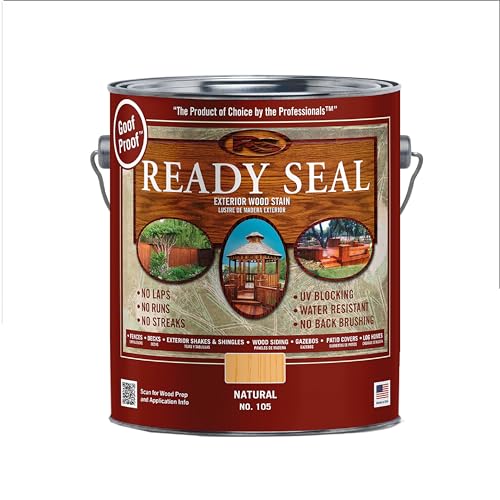
NO LAPS, RUNS OR STREAKS: Goof Proof formula with no back brushing required; ideal for exterior wood projects
Added Features and Customizations
Decks and porches can be turned into key features of your outdoor area. You have endless ways to make your deck unique. Consider adding pergolas for shade, outdoor kitchens for easy entertaining, or multi-level designs. These enhancements bring a new look and feel to your space.
Porches can also be tailored to your taste and needs with porch personalization options. Enclose them with screens for a bug-free zone or with glass for year-round use. Adding decorative railings can showcase your style and improve the porch’s look. These changes make your outdoor space a true part of your home.
Improving your deck or porch isn’t just about looks. Adding outdoor lighting can make these spaces safer and more inviting. For example, LED lights last a long time, cutting down on upkeep. Upgraded railings and stairs not only look good but could also raise your deck’s value by up to 15%.
The interest in multi-level decks has shot up, growing 25% recently. They’re great for yards with slopes, creating distinct areas that flow with the landscape. With all these options, customizing your deck or porch can greatly enhance your enjoyment of your outdoor space features.
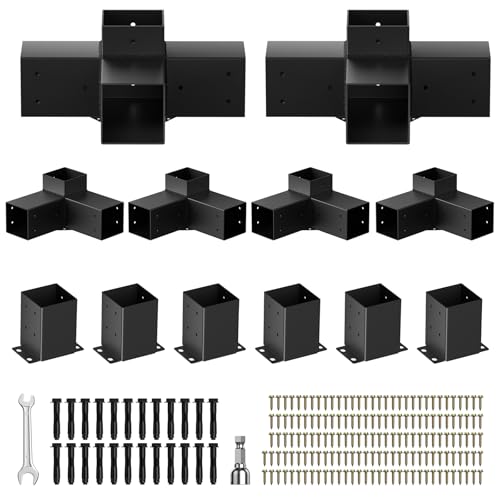
3-Way & 4-Way Pergola Brackets Kit: Upgraded 3-way & 4-way right-angle pergola brackets boost pergola stability in harsh weather. Designed for 4"x4" (actual 3.5"x3.5") sizes, the 4x4 pergola brackets are weather-resistant and sturdy, with no need to worry about storm or wind damage

Engineered for USA Climates - ORIGLE pergola brackets are crafted with heavy-duty, corrosion-resistant steel and a premium black powder coating to withstand harsh weather conditions. Designed to snugly fit 4x4 post brackets (actual inner dimension: 3.58"x3.58"), these brackets eliminate gaps and ensure a rock-solid hold for your pergola’s structural integrity. Ideal for pergola kit projects in gardens, patios, or backyard retreats.
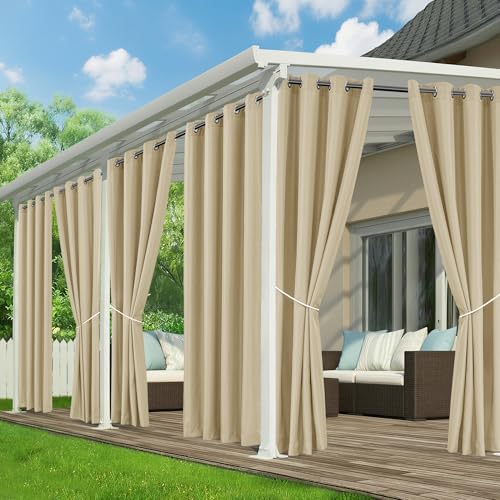
Waterproof & Weatherproof: Durable 100% polyester fabric exterior curtains withstand wind, water, and rain. This heavy cover provides reliable weatherproof protection for your patio, porch, pergola, gazebo, deck, balcony, canopy, or RV
Making the Choice: Which is Right for You?
What’s more important to you: practicality or looks? That’s what you need to think about when choosing between a porch and a deck. If you’d love a cozy spot for your morning coffee, go for a porch. It feels like part of your house, sharing the roof and keeping you safe from bad weather and bugs. A porch gives you privacy too, especially if it’s screened or enclosed.
But, if you want an open spot that’s great for parties and enjoying the view, think about a deck. Decks work well on uneven ground and can give you a nice high view. You can decide how high your deck goes to make it match your house and what you like. Even though building a deck can be pricy, it can increase your home’s value a lot.
Also, think about how much care things need. Wooden decks need a lot of work to stay nice, but composite decks are easier to handle. Patios, which people make from concrete, stone, or brick, hardly need any care. While patios and porches usually cost less at first, adding things like windows to a porch can get expensive. Remember, building decks and porches can be complicated, which is not the case with easier-to-install patios.
In the end, whether to pick a porch or a deck depends on how you’ll use it and your property. Patios or porches are best for flat land and if you like things cozy and private. If your yard is bumpy or you want a high spot for fun, go with a deck. Consider your budget, how much effort you want to put into upkeep, and how it looks with your house to make the right choice.