Have you ever wanted to fall asleep under the stars but inside your home? The sleeping porch, popular before air conditioning, is popular again. It’s a mix of inside comfort and the beauty of outside, winning over many homeowners today.
These porches became a thing in the Victorian era to fight tuberculosis with lots of fresh air. They were built for the best airflow, providing more than comfort – they were about staying healthy. Even now, sleeping on a porch offers big pluses. It can make your sleep better with natural air and help your mind by connecting you with nature.
Key Takeaways
- Sleeping porches combine the best of inside and outside.
- They were health boosters back in the Victorian days.
- Now, they’re about being useful all year, mixing relaxation and style.
- Designs with screens are common to keep bugs out.
- 63% of folks looking for a new home like them, showing they’re still a hit.
Diving back into sleeping porch designs mixes old-school vibes with practicality, making a cozy retreat at your place. Picture calm nights with nature’s sounds around you, in a spot where luxury meets outdoor simplicity.
What is a Sleeping Porch?
A sleeping porch, which was very popular in the early 1900s in the United States, is an outdoor room for sleeping. It is described as “peaceful summer sanctuaries” by author Ruth Benedict. These screened-in porches let families enjoy warm summer nights without worrying about insects.
Before electric fans and air conditioning, these porches were mainly used in summer, especially by kids. These outdoor sleeping areas showed the benefits of fresh air during the times when tuberculosis was a major health concern. They could be found at any level of a house, showing a lot of architectural creativity.
Usually, these historical sleeping porches were on higher floors to catch more breezes for cooler sleep. Back then, fresh air was often suggested by doctors. This highlights how important they were culturally in the Victorian era and early 20th century.
After World War II, the use of screened-in porches went down because air conditioning became common. But now, their charm is recognized again. Many people turn these spaces into sunrooms they can use all year. The sleeping porch, whether used in old ways or new, connects past comforts with today’s living.
Benefits of Having a Sleeping Porch
Sleeping porches are getting popular again, and not just because they remind us of the past. They improve your sleep with fresh air and cool nights. Experts suggest that sleeping outdoors can help reset circadian rhythms, aligning them with natural light and dark cycles. Being outdoors at night means breathing clean air. This is good for your lungs and cuts down on using air conditioning.
Being near trees can make you feel more relaxed and lower your stress. This can make you feel better both mentally and physically. Seeing natural sunlight at dawn and dusk helps fix your body’s sleep clock. Cutting down on blue light at night helps your body make melatonin, which you need for good sleep.
Before we had air conditioning, sleeping porches were very popular. In the early 1900s, they were even recommended to prevent tuberculosis. The Cincinnati Post once shared that fresh air at night could make you stronger. This idea was supported by health experts long ago.
Today, cabin designers say more people want sleeping porches. They want to feel close to nature, especially after being indoors so much. Too much screen time has made it even more important to spend time in natural settings. Therapists suggest having spaces that help us heal, where we can relax surrounded by nature.
A sleeping porch can also make your house worth more. It adds a special touch that catches buyers’ eyes. Back in the 1940s, people believed sleeping porches brought families and neighbors closer. With a growing focus on saving energy and being green, sleeping porches are becoming popular again.
Designing Your Ideal Sleeping Porch
Creating the perfect sleeping porch is about more than looks. It’s meant to be a mix of comfort, function, and style. Key to a great design is how you orient the porch for the best airflow. This method, popular in old Victorian homes, helps keep the space cool without air conditioning.
Choosing strong materials is also essential. Pick durable screens to keep bugs out and handle bad weather. This makes your sleeping porch great for use all year. Think about getting marine-grade cushions for furniture. They last long and are comfy, perfect for outside.
When planning your sleeping porch, aim for a layout that’s welcoming and smart. Begin with the basics like a cozy daybed or hammocks for outdoor naps. Adding different types of lighting can set the mood right. Use reading lights for books and soft lights for chilling out.
You can also divide your porch into zones. Have areas for sitting, eating, or just thinking quietly. This versatile design is a trend in blending outdoor and indoor living.
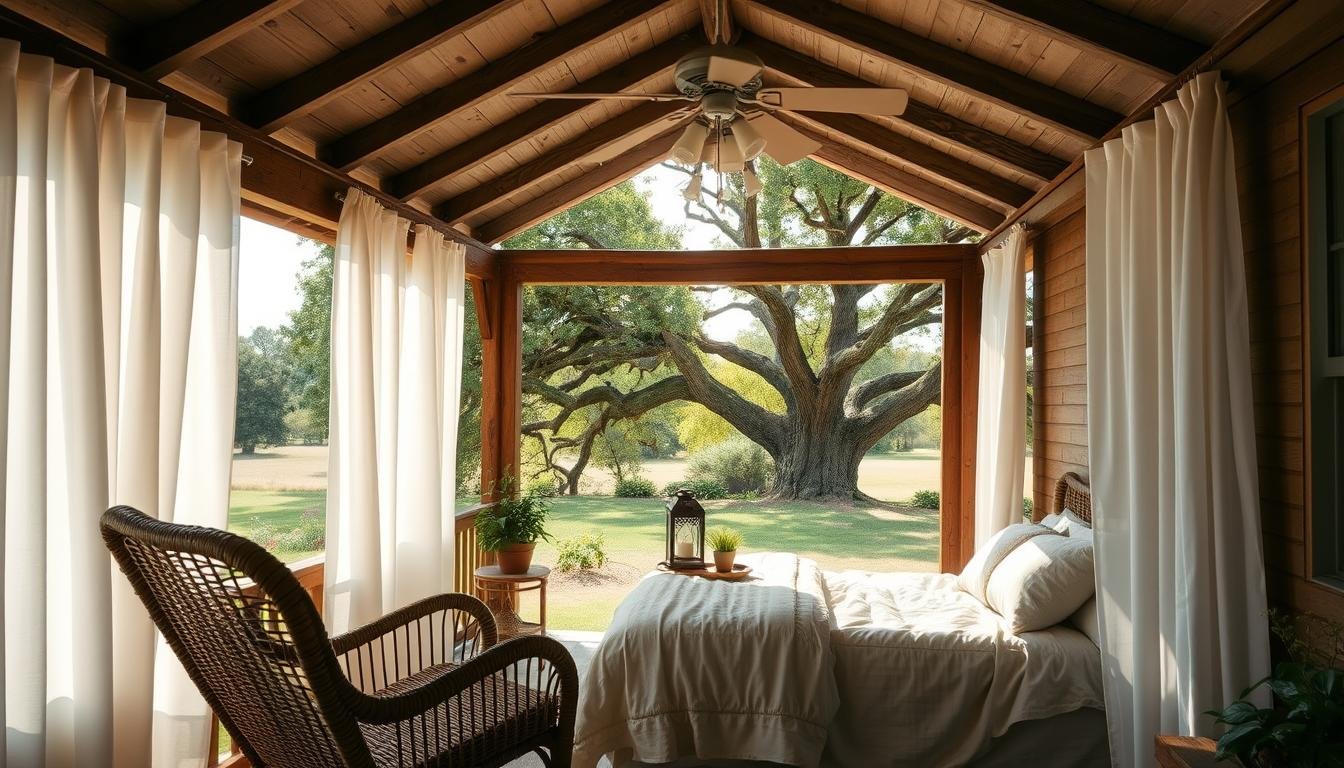
Pick materials that will last like teak or wicker for furniture to withstand the weather. Decorate with peaceful items, beautiful plants, and soft colors that make the space inviting. Bamboo blinds and comfy linens add to a quiet, relaxed feeling, turning your porch into a perfect escape.
To make your porch useful all through the year, consider adding storm panels for cooler weather. Whether turning it into a sunroom or a seasonal spot, these ideas help make your sleeping porch a dreamy part of your home.
Maintaining a Sleeping Porch
To keep your sleeping porch in top shape, clean it regularly. Cleaning stops dust and allergens, making the air healthier. Vacuum the rugs, clean the furniture, and wash the blankets to keep the porch fresh.
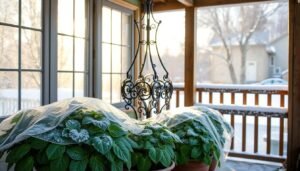
But it’s not all about cleaning. Seasonal sleeping porch care is also key. For instance, in the cold months, adding insulated panels keeps the porch cozy. Make sure to check screens and doors often. This stops damage from weather and keeps them working well.
Don’t forget about sleeping porch upkeep. Check the area often for any damage or repairs needed, like loose boards or screws. Also, stick to design tips that let air flow in, cooling the place naturally. This idea goes back to designs from the early 1900s.
By following these steps, your sleeping porch will stay a cozy spot in your home. For ideas on making it even more comfy, read this on modern sleeping porch design. Keep up with these habits, and your porch will be a lovely place all year round.
Popular Styles and Inspirations
Sleeping porch styles vary widely, reflecting each home’s uniqueness. You might prefer modern sleekness or rustic vibes. Each choice brings its charm to your living space.
If Southern traditions inspire you, look at the Southern Style Sleeping Porch from the ONE ROOM CHALLENGE. It features sea glass shades and a historic Haint blue ceiling. This choice is not only soothing but also keeps bugs away.
DIY enthusiasts might enjoy making a custom bed from old pallets. Using budget-friendly items from Wayfair, HomeGoods, and Pottery Barn adds a personal touch.
Furniture often includes versatile pieces like daybeds and rattan sofas. These are made from natural materials like teak and cedar. Such choices help blend indoor and outdoor living, fitting both modern and rustic porches.
For all-season enjoyment, add thick curtains, waterproof mattress covers, and full-sized mattresses. These make your porch a comfy spot year-round.