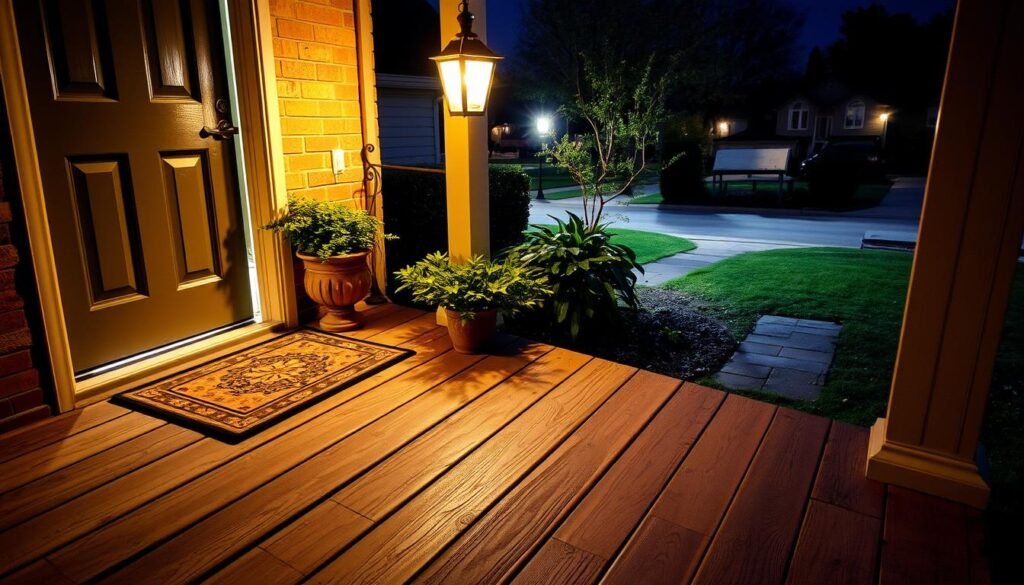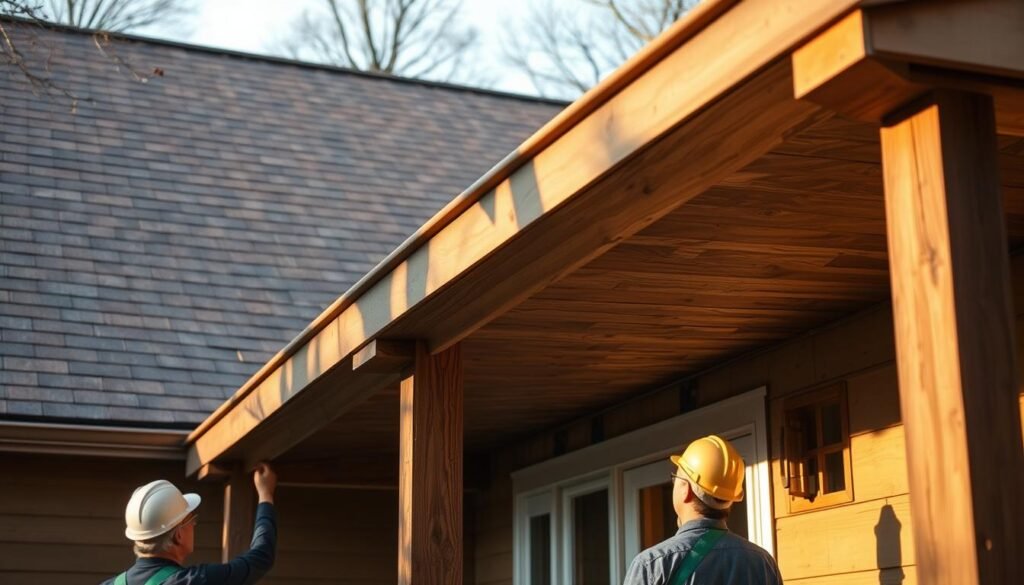
The term “flooring” often describes the floor of a porch. This part includes different materials made to meet the look and function needs of this space. This choice shows off your style and the need for lasting materials outside. You can pick from the cozy look of wood or durable composite materials.
Knowing the names used for porch floors can make choosing easier. Today, you can pick from many types of porch flooring. Each kind, from classic wooden slats to modern composites, has its own pros and cons.
Key Takeaways
- Porch flooring matters for looks and use.
- Knowing porch floor terms helps in choosing well.
- Many porch flooring types fit different needs.
- Finding the right material means looking at lasting quality and style.
- The choice in porch flooring lets you make unique outdoor areas.
Understanding Porch Flooring Terminology
To learn about porch flooring, you need to know some porch terminology. Porch floors are made to stand up to weather and wear. They also have to look good.
Different materials are used for porch floors. People often use tongue-and-groove vertical-grain fir, which is okay at resisting rot. It’s important to install the floor so it slopes away from the house. This helps water run off. Now, we also have mahogany and plastic composite options.
Porch foundations need to be strong. They’re usually bigger than those for decks because porches have a roof. This strength keeps everything stable and safe.
The floor frame of a porch tips away from the house. This stops water from pooling, unlike flat deck frames. In wet areas, this slope helps prevent mold and wood rot. This point is key when talking about porch decking terms.
Local building codes set rules for porches. For instance, porches over 30 inches high need railings. These railings can’t have gaps wider than 4 inches. In areas with high fire risk, materials must be more fire-resistant. Also, porch posts must line up with the framing and foundation for safety.
| Details | Porch Requirements | Deck Requirements |
|---|---|---|
| Footings | Larger due to roof weight | Smaller depending on deck size and soil type |
| Framing | Pitched for water runoff | Level |
| Height Regulations | Railings required above 30 inches | Similar, railings above 30 inches |
| Fire Resistance | Enhanced in wildfire-prone areas | Subject to regional variances |
| Posts Alignment | Align with floor framing and footings | Standard |
In some places, porches become living spaces all year. They might have fireplaces or wet bars. Knowing the outdoor flooring glossary helps you pick the right stuff for this.
Good porch floors need to last, look nice, and follow the rules.
Different Types of Porch Flooring Materials
There are many materials for porch flooring, each with special qualities and advantages. Options include wood, composite decking, brick pavers, and natural stone. It’s important to understand these choices to pick the best one.
Wood is a favorite for its look and lower initial cost. Pine, fir, and cedar are common choices. Cedar is great for avoiding bugs and decay but needs more care since it’s softer.
Composite decking, like Trex, Deckorators, and Fiberon, is tough and easy to keep up. These options mix PVC, recycled plastics, and sawdust to fight water damage, stains, scratches, and color fading. They last 10 to 25 years, and some, like Mineral-Based Composite (MBC) decking, are mold, mildew, and insect-proof. MBC decking doesn’t expand much, which means less warping or cracking. Deckorators offers a 50-year warranty for MBC, while Trex gives up to 25 years.
Green and brown-treated woods are also a good choice and budget-friendly. These boards often use hidden fasteners, which looks better. But, wood needs regular care which might cost more in the long run.
New materials like PVC decking stand out for fighting weather and bugs well. They’re pricier but last longer and are very durable. But, PVC can get hot and warp in warm climates, unlike MBC decking which stays cool and sturdy.
Every type of porch decking and outdoor flooring option has its own benefits. Considerations such as cost, upkeep, and lifespan will help you choose the right material. This way, you can find something that looks good and meets your needs.
| Material | Initial Cost | Maintenance | Durability | Common Brands |
|---|---|---|---|---|
| Wood (Pine, Fir, Cedar) | Low | Regular Staining/Sealing | Moderate | Various Local Sources |
| Composite Decking | Moderate | Low | 10-25 Years | Trex, Deckorators, Fiberon, Timber Tech |
| Mineral-Based Composite (MBC) | High | Minimal | 50 Years | Deckorators |
| PVC Decking | High | Minimal | Varies by Climate | Various |

★★ Unique Grooved Surface. ▼ ALUMINUM BALUSTER: Universal aluminum balusters provide a clean, stable and contemporary feel to your deck. Lightweight and never-rust alternative to wrought iron.

Solid board meant to be used with screws
Factors to Consider When Choosing Porch Flooring
When choosing porch flooring, think about key aspects to ensure it lasts and functions well. This includes how tough and easy to maintain it is, the cost, how it looks, and how hard it is to put in. Knowing about these factors for porch materials helps you pick the right option for your home.
Durability matters a lot for porch floors. Materials like pressure-treated wood, composite decks from TimberTech and AZEK, and natural stones are very durable. Composite decking fights off rot, splinters, termites, and mold well, making it last a long time.
How much work it takes to keep it looking good is key. Pressure-treated wood must be cleaned and sealed every so often to stay nice. Composite decking only needs a wash now and then. Luxury vinyl plank (LVP) flooring is good for easy care, but make sure it’s meant for outdoors.
The price of porch flooring varies. Pressure-treated wood is the cheapest, while options like AZEK, Ipe, tile, and stone cost more but look great and last long. Composite materials like TimberTech are a good middle choice for price and durability.
How it looks is very important. Classic outdoor stones and pavers add timeless style to any home. Composite and LVP floors look like real wood but are easier to keep up. Make sure your porch floor fits your home’s style and meets your needs.
Putting it in can be tricky. Tile floors need a solid base and maybe extra support, which can add to the cost. Tongue & groove PVC floors are easier to install without spacing issues unlike traditional decking. Think about how hard the installation is to plan your project and avoid extra costs.
| Material | Durability | Maintenance | Cost | Aesthetics | Installation Complexity |
|---|---|---|---|---|---|
| Pressure-Treated Wood | High | High | Low | Versatile | Moderate |
| Composite (TimberTech, AZEK) | Very High | Low | Mid-Range | Natural Wood Look | Easy |
| Luxury Vinyl Plank (LVP) | High | Low | Mid-Range | Wood-Like Appearance | Easy |
| Tile | High | Moderate | High | Elegant | Complex |
| Natural Stone (Travertine, Flagstone) | Very High | Low | High | Timeless | Moderate |
Looking closely at these factors means your porch floor will make your outdoor area better and offer lasting worth. By considering these points, you can pick materials that fit what you need and what you like to see.
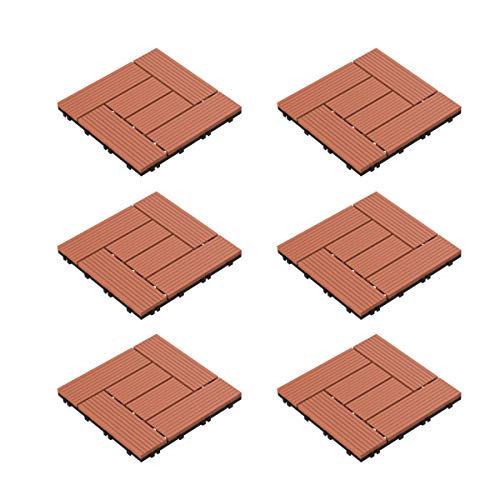
6-PACK OF OUTDOOR FLOOR TILES - This 6-pack of snap-together flooring assembles in minutes without tools for hassle-free home improvement. Use these patio deck tiles to cover unsightly concrete and breathe new life into your outdoor spaces.

Crowned surface design: innovative surface prevents water accumulation for a dry, safe deck

EXACT COLOR MATCH: Cut from actual composite material, these Island Mist plugs ensure an exact color match, seamlessly blending with your decking. Designed for use with standard plug systems, they provide a perfect fit and finish for a professional look. Ideal for both new installations and repairs, these plugs are crafted to match the unique color and texture of your Island Mist decking.
Installation Options for Porch Flooring
Learning how to install porch flooring the right way is key. It makes sure your porch lasts long and looks good. Depending on the material, how you install it can change. Tongue-and-groove boards are common for porches because they fit tightly together. This tight fit stops water from getting in and keeps the boards straight.
Different porch decking installation methods include:
- Basic Wood Installation: Common wood choices are Fir and Dark Red Meranti. Fir comes in 1×4 and 5/4×4 sizes, and Meranti is strong in various lengths. You should use joist glue and fasteners to make it stable.
- Composite Decking: A choice like Aeratis Heritage, made of solid-extruded cellular PVC, comes in 1×4 and 1×6 sizes. Use stainless steel fasteners and adhesives in damp areas. For a waterproof finish, a peel and stick membrane like Grace Ice and Water-shield HT works well.
- Pavers and Stones: Great for outdoor floor installation, you can choose brick, concrete, or stone pavers. Setting them in the right pattern often needs a professional touch. Pavers last long and look better as they weather.
Getting ready for each method differs:
- For tongue-and-groove setups, start with a perfectly square first board to prevent crooked lines.
- With composites, stick to the maker’s advice on glues and fasteners. Aeratis boards, for example, need glued ends and screws if they face the house.
- For concrete options, remember it needs a new seal every few years to keep out moisture.
Choosing wood, composite, or stone, each method has its own setup needs, time, and tool requirements. For more info on the best wood for porch floors, check out this helpful resource. It dives deep into options like Thermory modified wood and Douglas Fir.

Authentic Wood Aesthetic - Expertly crafted texture that flawlessly mimics the richness and elegance of real wood, offering a breathtakingly natural and timeless look that transforms your outdoor space into a luxurious retreat.

【Explore all colors with ease】Find the decking color that perfectly matches your space through color sample boards. The 3 sample plates include 6 colors.

The Faster Fastener: Designed for quick and simple installation, these Frueh hidden fastening clips are the perfect solution for installing tongue and groove boards on walls and ceilings without face nailing.
The Importance of Porch Flooring in Home Design
Porch flooring is very important in home design. It welcomes people from outside to the comfort of your home. It also makes a great first impression for guests. The choice of flooring can greatly impact porch design and improve your home’s look and value.
Different materials play a big role in the look and function of your porch. Let’s look at how they contribute.
| Material | Durability | Aesthetic Appeal | Maintenance Requirements |
|---|---|---|---|
| Wooden Porch Flooring | Medium | Classic charm | High |
| Composite Flooring | High | Modern look | Low |
| Exotic Hardwoods | High | Intricate grain patterns | Medium |
| Pressure-Treated Pine | Medium | Budget-friendly | Medium |
| Concrete Flooring | High | Customizable | Low |
Choosing the right material for your porch is key to its look and feel. For example, Sylvanix Composite decking is durable and comes with a 25-year warranty. Then, there are exotic hardwoods like Ipe and Red Balau that add unique beauty. Moreover, concrete and wood are timeless options for porch flooring.
Think about the weather in your area when picking materials. Redwood and cedar resist decay and mildew well, making them great for changing climates. Also, easy-care options like durable vinyl flooring keep your porch looking good with little work.
It’s important to find a balance between cost and durability for the best value. Materials like modified woods and modern composites offer both low-maintenance and strength. This ensures your porch lasts long while adding to your home’s beauty. The significance of porch flooring goes beyond looks, affecting safety, function, and lasting appeal of your home.
Maintaining Your Porch Flooring
Taking care of porch flooring is key to keeping your outdoor areas looking great. The maintenance needed changes with the type of flooring. Wood decks, for example, need staining and sealing now and then. A simple water test can show if your wood deck needs a sealant. Just drop some water on it. If the wood soaks it up, it’s time to seal it. New decks should wait 60 to 90 days before being stained or sealed.
Besides sealing, it’s good to sand your deck every year. Use 60 or 80 grit sandpaper for the main parts and 80 or 100 grit for the rails. This keeps it smooth and splinter-free. Also, cut back bushes and trees so there’s at least a foot of space around the deck. This helps prevent mold and mildew from growing.
Wood floors outdoors often need extra care, like special cleaning solutions for tough dirt. But, materials like TimberTech’s composites are easier to keep up. They don’t usually need sealants, though some can be stained with the right products. Composites can go for 25 years without sanding or staining, making them a great choice if you don’t want a lot of upkeep.
Preventative steps are important in keeping your porch in good shape. Having doormats at entryways cuts down on dirt and mess. Moving your outdoor furniture around occasionally can stop uneven color fades and freshen up your porch’s look.
Looking into new materials? Belgard pavers and travertine tiles are excellent low-upkeep, eco-friendly options. They mostly need dust and pollen cleaned off, appealing to homeowners wanting durable, low-cost flooring.

CLEAR WATERPROOFING WOOD SEALER: Olympic WaterGuard clear sealer waterproofs and protects exterior wood and masonry without changing the surface's natural look.
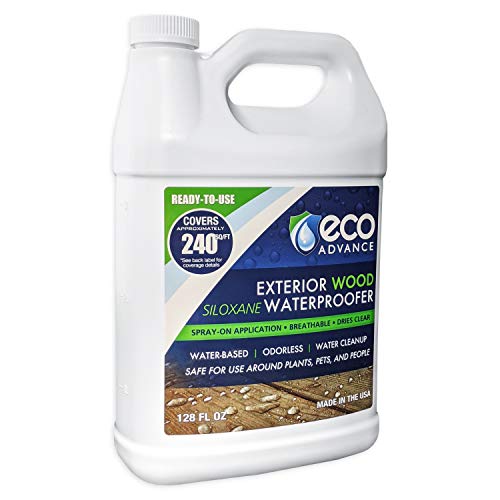
Ready-to-Use Formula: Commercial-grade, ready-to-use waterproof wood sealer can be easily applied using a standard garden pump sprayer, eliminating the need for complicated equipment or professional help. Simply spray on for quick and hassle-free application

WATERPROOFING STAIN – Bring out the beauty of your outdoors with Thompson’s WaterSeal Clear Multi-Purpose Waterproof Stain. Proven to waterproof concrete, brick, exterior wood and other exterior surfaces.
Final Thoughts on Porch Flooring Choices
Picking the perfect porch flooring is key. It’s not just about how it looks but also about fitting your budget and lasting long. You need to think about each material’s pros and cons. For instance, concrete is super tough and can last for years. It’s great if you want something durable. Pressure-treated wood is less expensive which is good for enclosed porches.
If you don’t want to spend a lot of time on upkeep, check out vinyl and composite floors like Trex and Fiberon. They’re super strong and easy to take care of. Stone tiles look fancy but need to be sealed often. For a safe, cozy walk, outdoor carpeting is great, especially if you have kids or seniors at home.
Talking to others can help you choose. Our community with over 9,100 members chats about different porch floors and shares tips. Classic choices like Douglas Fir or fancier woods like mahogany stay looking good over time. TimberTech’s PVC planks are also a solid pick because they resist weather damage well.
In the end, the right porch flooring matches your needs, the weather, and your taste. Whether your home is old or new, finding the best floor will make it prettier and more useful. Think about looks, costs, and how long things last. That way, you’ll pick something that fits your life perfectly.